Open Enrollment for Health Insurance 2026 Missouri

Open enrollment for health insurance 2026 Missouri is from November 1, 2025, to January 15, 2026. This is your opportunity to enroll in or change your health insurance plan. In this article, we’ll cover key dates, how to enroll, and the available plans.


Key Takeaways


  • Qualifying life events, such as losing health coverage or changes in household, allow for special enrollment periods outside the standard open enrollment, providing necessary flexibility in health insurance coverage.


  • Missouri offers varied health insurance plans categorized into Bronze, Silver, Gold, and Platinum levels, allowing individuals to choose plans that best fit their healthcare needs and financial situations.

Compare Health Plans in your area

Enter Zip Code


Key Dates for Open Enrollment in Missouri

Open Enrollment 2026

Mark your calendars! In Missouri, the 2026 open enrollment period for health insurance starts on November 1, 2025. It will conclude on January 15, 2026.

This window is your primary opportunity to enroll in or change your health insurance plan for the upcoming year. Missing these dates could leave you without coverage unless you qualify for a special enrollment period.

Enrolling by December 15 ensures your coverage begins on January 1, 2026. This ensures that you have continuous health coverage from the beginning of the new year. Individuals who enroll between December 16 and January 15 will have their coverage start on February 1, 2026.

This applies specifically to that enrollment period. Planning ahead and enrolling early can help avoid any gaps in your health insurance.

Awareness of these specific dates and deadlines guarantees you have the necessary health coverage.

As the open enrollment period approaches, take the time to review your current health plan and consider any changes you may need to make to better suit your healthcare needs for the calendar year ahead.

How to Enroll in a Health Insurance Plan

Enrolling in a health insurance plan during the open enrollment period is a straightforward process, but knowing your options can make it even easier. The quickest and most efficient way to enroll is by visiting HealthCare.gov.

The online application process is designed to be user-friendly, allowing you to complete your enrollment from the comfort of your home.

For those who prefer traditional methods, you can also enroll by mailing a paper application. While this method takes a bit longer—eligibility results can take up to two weeks—it’s a viable option for anyone who prefers handling their paperwork by hand.

Regardless of the method you choose, it’s important to ensure all your information is accurate to avoid delays in processing your application.

When enrolling, you’ll have the opportunity to compare different health insurance plans. This is your chance to review the benefits of various health plans, including private health plans and marketplace plans.

The federal health insurance marketplace offers a range of options, and financial assistance may be available to help make your health coverage more affordable.

For those currently enrolled in a health insurance plan, open enrollment is also the time to re-enroll or change plans if your current coverage no longer meets your needs. Reviewing your options and making any necessary changes can help ensure you have the best coverage for the upcoming year.

If you need assistance during the enrollment process, there are numerous health insurance resources available:

  • Certified enrollment partners


  • Helplines


  • Local organizations


These can provide personalized support to help you find the best health insurance options for you and your family.

Understanding Qualifying Life Events

Life is full of changes, and some of these changes can significantly impact your health insurance needs.

Qualifying life events (QLEs) are major life changes that allow you to enroll in or change your health insurance plan outside the standard open enrollment period. Understanding these events ensures you maintain continuous health coverage.

There are four primary categories of qualifying life events: loss of health coverage, changes in household, changes in residence, and other significant life events. Losing health coverage can happen for various reasons, such as losing job-based coverage, individual insurance, or aging out of a parent’s plan.

This loss can prompt a special enrollment period, allowing you to secure new coverage without waiting for the next open enrollment period.

Changes in household, such as marriage, divorce, or the birth or adoption of a child, can also qualify you for a special enrollment period. These events often bring new healthcare needs, making it essential to review and potentially update your health insurance plan.

Similarly, moving to a new ZIP code or county can trigger a special enrollment period, as it may affect the availability and network of health plans in your new area.

Significant changes in income are another type of qualifying life event. If your income changes in a way that affects your eligibility for health coverage, you may qualify for a special enrollment period. This makes sure your health insurance plan continues to meet your financial and healthcare needs.

Qualifying life events such as gaining U.S. citizenship, leaving incarceration, or turning 26 and losing coverage under a parent’s plan can also grant eligibility for a special enrollment period.

Remember, you typically have 60 days from the date of the qualifying event to enroll in a new health plan. Staying informed about these events helps you maintain continuous and adequate health coverage throughout the year.

Available Health Insurance Plans in Missouri

Available Health Insurance Plans in Missouri


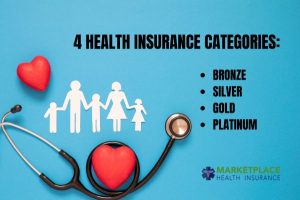
When it comes to health insurance, one size does not fit all. Missouri offers a variety of health insurance plans to meet different healthcare needs and budgets. These plans are categorized into four levels:

  • Bronze
  • Silver
  • Gold
  • Platinum


Each level indicates how costs are shared between the insurer and the insured, helping you find a plan that best suits your financial situation and healthcare requirements.

Bronze plans feature lower monthly premiums but higher deductibles and out-of-pocket costs, making them suitable for individuals who do not require frequent medical services. These plans are ideal for those who want to maintain coverage primarily for catastrophic events or emergencies.

Silver plans offer a balance between monthly premiums and out-of-pocket costs. These plans are particularly beneficial for individuals who qualify for cost-sharing reductions, which can lower the amount you pay for deductibles, co-payments, and co-insurance.

Gold plans come with higher monthly premiums but lower deductibles and out-of-pocket costs, making them a good choice for individuals with frequent healthcare needs. These plans provide greater peace of mind by covering a larger portion of your medical expenses.

In Missouri, you can choose between on-exchange and off-exchange plans. On-exchange plans are available through the federal health insurance marketplace and may qualify for financial assistance, such as premium tax credits.

Off-exchange plans, while not eligible for these subsidies, can offer different coverage options that might better suit your needs.

Consider the types of plans available, such as Health Maintenance Organizations (HMOs) and Preferred Provider Organizations (PPOs). HMOs typically require you to choose a primary care physician and get referrals for specialist care, while PPOs offer more flexibility in choosing healthcare providers.

Quality ratings can help you assess the performance and care standards of different health insurance plans, ensuring you select a plan that meets your expectations and needs.

Compare Marketplace Health Insurance Plans

ENTER YOUR ZIP CODE BELOW

SPEAK WITH AN AGENT NOW!

1-877-517-5357

TTY users 711
Mon – Fri : 8am – 8pm EST

agent

Average Monthly Premiums and Subsidies

Average Monthly Premiums and Subsidies


Understanding the costs associated with health insurance is crucial for making informed decisions during the open enrollment period. In 2024, individuals who received enhanced premium tax credits paid an average of $888 annually for their health insurance premiums.

Without these credits, they would have paid $1,593, highlighting the significant impact of subsidies on making health insurance more affordable.

However, the expiration of enhanced premium tax credits is projected to more than double the premiums for subsidized enrollees, increasing their average monthly premium from $888 to about $1,904.

This potential increase underscores the importance of staying informed about changes in premium subsidies and subsidy enhancements planning accordingly.

For 2026, proposed rates hikes may lead to average premium payments more than doubling for many enrollees if enhanced premium tax credits are not renewed.

An estimated 18% increase in premiums is anticipated due to higher healthcare costs and the expiration of these tax credits.

The impact of rising premiums varies across different income groups. For instance, a couple aged 60 with an income of $85,000 could see their premium payments increase by over $22,600 due to the loss of financial assistance.

Similarly, a 45-year-old earning $20,000 could face premium payments rising from $0 to approximately $420 annually without enhanced tax credits.

The expiration of enhanced premium tax credits primarily affects individuals above 400% of the federal poverty line, leading to significant increases in their premium costs.

Understanding these potential changes and exploring available premium subsidies and cost-sharing reductions can help mitigate the financial burden of rising premiums.

Navigating Rising Premiums

With the anticipated rise in health insurance premiums for 2026, many individuals are understandably concerned about the financial impact.

For example, if enhanced premium tax credits expire, an individual with an income of $28,000 could see their annual premium costs rise from approximately $325 to $1,562. Such increases highlight the importance of preparing for potential changes in premium costs.

Marketplace enrollees with incomes above 400% of the federal poverty level are expected to face the largest increases in premium payments if enhanced tax credits are no longer available.

This situation can lead to sticker shock for many who have previously relied on these subsidies to afford their health insurance.

To navigate rising premium costs, consider the following strategies:

  • Explore all available subsidies and financial assistance options.


  • Review all plan options and compare their costs and benefits to find a plan that fits your budget and healthcare needs.


  • Budget for potential increases in health insurance expenses to provide a cushion against unexpected costs.


Staying informed about changes in premium tax credits and other financial assistance programs is crucial. By keeping up with the latest information, you can make proactive decisions about your health insurance coverage and avoid surprises when it comes to premium payments.

Finally, consider seeking assistance from certified enrollment partners or local organizations that can help you find the best health insurance options.

These resources can provide personalized support and guidance to help you navigate the complexities of rising premiums and ensure you maintain adequate health coverage.

Compare Health Plans in your area

Enter Zip Code


Special Enrollment Periods Explained

Special Enrollment Period


Special enrollment periods offer a vital safety net for those who experience qualifying life events, allowing them to enroll in health insurance outside the standard open enrollment period.

These periods are triggered by significant life changes, ensuring that individuals can maintain continuous health coverage despite unexpected events.

Qualifying life events that trigger special enrollment periods include:

  • Turning 26 and losing coverage under a parent’s plan


  • Gaining U.S. citizenship


  • Leaving incarceration


  • Moving to a new ZIP code or county


These events often bring new healthcare needs, making it essential to review and update your health insurance plan accordingly.

After experiencing a qualifying life event, you typically have 60 days to enroll in a new health plan. This window provides ample time to explore your options and select a plan that meets your needs. Missing this window could leave you without coverage until the next open enrollment period, so it’s crucial to act promptly.

If you miss the open enrollment deadline, a special enrollment period can be a lifesaver. These periods ensure that unexpected life changes don’t leave you without health coverage, providing peace of mind during times of transition.

During special enrollment periods, you’ll have access to a variety of health plans, including those available through the federal health insurance marketplace. This allows you to choose a plan that fits your healthcare needs and budget, ensuring you remain covered regardless of life’s unpredictability.

Missouri’s Health Insurance Marketplace Carriers

Missouri’s health insurance marketplace offers a range of carriers to choose from, ensuring you have access to various plans that meet your healthcare needs and budget. For 2026, the available carriers include RightCHOICE® Managed Care, Healthy Alliance® Life Insurance Company, and HMO Missouri, Inc..

Each carrier provides a selection of aca plans under the Affordable Care Act (ACA) and the aca marketplace, catering to different levels of coverage and financial requirements.

These carriers offer Bronze, Silver, and Gold health insurance plans, ensuring that you can find a plan that suits your specific healthcare needs and budget:

  • Bronze plans are typically more affordable but come with higher out-of-pocket costs.


  • Silver plans offer a balance between the two, making them a popular choice for many.


  • Gold plans have higher premiums but lower out-of-pocket expenses.


Understanding the options and benefits provided by different carriers is crucial for making an informed decision about your health insurance. By comparing the plans offered by each carrier, you can select the one that best meets your healthcare needs and financial situation.

Compare Marketplace Health Insurance Plans

ENTER YOUR ZIP CODE BELOW

SPEAK WITH AN AGENT NOW!

1-877-517-5357

TTY users 711
Mon – Fri : 8am – 8pm EST

agent

Resources for Affordable Coverage

Finding affordable health insurance coverage can be challenging, but there are numerous resources available to help you navigate the process.

Medicaid services cover a wide range of health care needs for eligible low-income individuals and families, including hospital visits and preventative care. This program provides vital support for those who may not be able to afford health insurance otherwise.

The children’s health insurance program (CHIP) is another valuable resource, offering low-cost health insurance for children in families with incomes too high to qualify for Medicaid.

Ensuring that children have access to healthcare is essential for their growth and development, and CHIP helps bridge the gap for many families.

Enrollment assistance is available through:

  • Certified partners


  • Calling a dedicated helpline for personalized support


  • Local organizations providing in-person assistance and resources for people enrolling in health insurance coverage.


These resources can guide you through the application process, helping you find the best health insurance options for your needs.

You can also apply through certified enrollment partners, such as insurance companies or online platforms authorized by the Marketplace. These partners can offer additional support and guidance, ensuring that you find the most affordable and suitable health coverage.

Utilizing these resources can make the process of finding affordable health insurance coverage more manageable. By taking advantage of the assistance available, you can ensure that you and your family have access to the healthcare you need without breaking the bank.

Tips for Finding the Best Plan

Tips for Maximizing Your Health Plan


Selecting the best health insurance plan involves careful consideration of various factors to ensure it meets your healthcare needs and budget. Evaluate both the monthly premiums and out-of-pocket expenses, such as deductibles and co-pays, to get a complete picture of the plan’s cost.

Reviewing plan summaries is a key step in the decision-making process. These summaries include benefits, provider directories, and drug coverage information, providing a comprehensive overview of what each plan offers. This information can help you compare plans and select the one that best fits your needs.

Many health insurance plans offer health benefits such as $0 preventive care, virtual care options, and comprehensive coverage starts for doctor visits and hospital stays.

These benefits can add significant value to a plan, making it worthwhile to consider them when making your selection.

When evaluating health plans, it’s also important to consider your healthcare needs for the upcoming year.

If you anticipate needing frequent medical services, a plan with higher premiums but lower out-of-pocket costs might be more cost-effective in the long run.

Conversely, if you only require minimal healthcare services, a plan with lower premiums and higher deductibles might be a better fit.

Thoroughly evaluating your options and considering all aspects of each plan can help you find the best health insurance coverage for you and your family.

Taking the time to review and compare plans helps you make an informed decision, ensuring you have the coverage you need at an affordable price.

Compare Marketplace Health Insurance Plans

ENTER YOUR ZIP CODE BELOW

SPEAK WITH AN AGENT NOW!

1-877-517-5357

TTY users 711
Mon – Fri : 8am – 8pm EST

agent

Summary

Navigating the open enrollment period for health insurance in Missouri requires careful planning and consideration. By understanding key dates and deadlines, you’ll be better equipped to ensure you have continuous coverage for the upcoming year. Enrolling early and reviewing your health insurance options can help you find the best plan for your needs and budget.

Qualifying life events and special enrollment periods provide additional opportunities to adjust your coverage as your life circumstances change. Staying informed about these options and utilizing available resources can help you maintain adequate health coverage throughout the year.

Marketplace plans vary by location. Our licensed agents can help you find affordable coverage near you. Call 1-877-517-5357 to compare 2026 options.

Compare Health Plans in your area

Enter Zip Code


Frequently Asked Questions

  • When does the 2026 open enrollment period for health insurance in Missouri begin and end?

The 2026 open enrollment period for health insurance in Missouri begins on November 1, 2025, and concludes on January 15, 2026.


  • How can I enroll in a health insurance plan during the open enrollment period?

You can enroll in a health insurance plan during the open enrollment period by visiting HealthCare.gov for online enrollment, which is the most efficient method, or by submitting a paper application through the mail.


  • What are qualifying life events, and how do they affect my health insurance enrollment?

Qualifying life events, such as marriage, childbirth, or loss of health coverage, permit you to enroll in or modify your health insurance plan outside the typical open enrollment period. These events ensure that you have access to necessary coverage when your circumstances change significantly.


  • What types of health insurance plans are available in Missouri?

Missouri provides four primary types of health insurance plans: Bronze, Silver, Gold, and Platinum, each offering varying levels of coverage and cost-sharing. It’s essential to assess your healthcare needs to select the most suitable option.


  • How can I find affordable health insurance coverage in Missouri?

To find affordable health insurance coverage in Missouri, you should explore options like Medicaid services and the Children’s Health Insurance Program (CHIP). Additionally, seek enrollment assistance from certified partners and local organizations for further support.